
🧾 Zero-Based Budgeting (ZBB) Training Course
📖 Course Description This course provides participants with a thorough understanding of Zero-Based Budgeting (ZBB), an advanced budgeting approach that requires every expense to be justified for each new period. Participants will gain the skills to implement ZBB in public …
Overview
📖 Course Description
This course provides participants with a thorough understanding of Zero-Based Budgeting (ZBB), an advanced budgeting approach that requires every expense to be justified for each new period. Participants will gain the skills to implement ZBB in public and private sector environments, link it to organizational strategy, manage cost drivers effectively, and engage stakeholders in a culture of accountability and performance.
✅ Learning Objectives
By the end of the course, participants will be able to:
-
Understand the philosophy and principles of Zero-Based Budgeting
-
Compare ZBB with traditional and incremental budgeting
-
Identify cost drivers and define decision units
-
Develop decision packages and justify expenditures
-
Integrate ZBB with performance management and strategy
-
Implement ZBB processes within ERP and planning systems
-
Monitor, evaluate, and revise budgets effectively
👥 Who Should Attend
-
Finance and Budgeting Managers
-
Accountants and Controllers
-
Cost and Management Accountants
-
Strategic Planning Professionals
-
Public Sector Finance Officers
-
Department Heads with Budget Responsibilities
-
Professionals involved in cost optimization and budget reform
🧩 Training Format
-
Instructor-led workshops
-
Group discussions and simulations
-
Practical exercises using budget templates
-
Real-world case studies (corporate & government)
-
Excel-based budgeting tools
-
Post-training implementation roadmap
📅 5-Day Agenda with Time Breaks
📆 Day 1: Foundations of Budgeting and ZBB Philosophy
| Time | Session Topic |
|---|---|
| 08:30 – 09:00 | Welcome & Course Objectives |
| 09:00 – 10:30 | Overview of Traditional vs. Zero-Based Budgeting |
| 10:30 – 10:45 | ☕ Coffee Break |
| 10:45 – 12:15 | ZBB Principles and History – Government & Private Sector |
| 12:15 – 13:15 | 🍽 Lunch |
| 13:15 – 14:45 | Advantages and Challenges of ZBB |
| 14:45 – 15:00 | ☕ Coffee Break |
| 15:00 – 16:30 | Identifying Cost Categories and Spending Areas |
📆 Day 2: ZBB Structure and Decision Units
| Time | Session Topic |
|---|---|
| 08:30 – 10:00 | Defining Decision Units and Budget Holders |
| 10:00 – 10:15 | ☕ Coffee Break |
| 10:15 – 12:15 | Creating Decision Packages – Structure & Justification |
| 12:15 – 13:15 | 🍽 Lunch |
| 13:15 – 14:45 | Cost Driver Identification and Analysis |
| 14:45 – 15:00 | ☕ Coffee Break |
| 15:00 – 16:30 | Setting Performance Targets and KPIs for Units |
📆 Day 3: Building and Prioritizing Decision Packages
| Time | Session Topic |
|---|---|
| 08:30 – 10:00 | Classifying Packages: Essential vs. Optional Spending |
| 10:00 – 10:15 | ☕ Coffee Break |
| 10:15 – 12:15 | Ranking and Prioritizing Budget Requests |
| 12:15 – 13:15 | 🍽 Lunch |
| 13:15 – 14:45 | Practical Workshop: Decision Package Development |
| 14:45 – 15:00 | ☕ Coffee Break |
| 15:00 – 16:30 | Internal Review and Approval Process |
📆 Day 4: Implementing ZBB in the Organization
| Time | Session Topic |
|---|---|
| 08:30 – 10:00 | Building a ZBB Implementation Roadmap |
| 10:00 – 10:15 | ☕ Coffee Break |
| 10:15 – 12:15 | Integration with ERP/Planning Software and Budgeting Systems |
| 12:15 – 13:15 | 🍽 Lunch |
| 13:15 – 14:45 | Role of Finance and Cross-functional Teams in ZBB |
| 14:45 – 15:00 | ☕ Coffee Break |
| 15:00 – 16:30 | Change Management and Communication Strategy |
📆 Day 5: Monitoring, Reporting and Case Studies
| Time | Session Topic |
|---|---|
| 08:30 – 10:00 | ZBB Monitoring and Performance Evaluation |
| 10:00 – 10:15 | ☕ Coffee Break |
| 10:15 – 12:15 | Case Studies – Successful ZBB Implementation Stories |
| 12:15 – 13:15 | 🍽 Lunch |
| 13:15 – 14:45 | Hands-On Final Group Exercise – Build a ZBB Framework |
| 14:45 – 15:00 | ☕ Coffee Break |
| 15:00 – 16:30 | Presentation, Feedback & Certificate Distribution |
🎓 Training Package Includes
-
Printed course material and templates
-
Excel-based decision package toolkit
-
Industry-specific case studies (Oil & Gas, Public Sector, FMCG)
-
ZBB implementation checklist
-
Certificate of Completion
Target audiences
- Reservoir Engineers, Geologists
You May Like

📘 Procurement and Supplier Relationship Management
🎯 Course Description: This course equips procurement professionals with the knowledge and skills to effectively manage supplier relationships and optimize procurement processes. Emphasizing strategic supplier collaboration, performance management, and value creation, the program helps organizations build resilient, mutually beneficial partnerships. …

📘 Managing Efficient Shutdown and Turnaround
🎯 Course Description: This practical 5-day course is designed to equip professionals with the knowledge and skills required to plan, execute, and close out shutdowns and turnarounds (STOs) in industrial plants efficiently. The course covers best practices in scope management, …
📘 Advanced Contract Drafting and Negotiation Skills
🎯 Course Description: This intensive 5-day program provides participants with advanced tools and techniques for drafting, reviewing, and negotiating contracts in complex, high-value projects. The course focuses on precision in drafting, clarity in language, minimizing ambiguities, and negotiation strategies that …
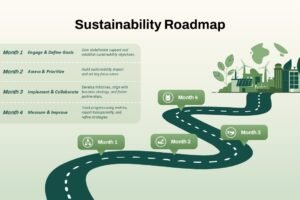
🌍 Roadmap to Achieve Sustainability: Building a Resilient and Responsible Energy Future
🔎 Course Description This intensive course empowers energy professionals to develop and implement actionable sustainability strategies. It covers global sustainability frameworks, decarbonization pathways, circular economy principles, ESG integration, and reporting practices tailored for oil, gas, and energy industries. Participants will …

🔄 Management of Change (MOC) & Pre-Startup Safety Review (PSSR) Training Course
📘 Course Description: This course provides in-depth training on the systematic control of changes to processes, equipment, people, and procedures through Management of Change (MOC) protocols, and how to verify safety before process startup using Pre-Startup Safety Review (PSSR). Participants …