🧪 PVT Properties of Petroleum Fluids – Theory & Applications
🌟 Course Description Understanding Pressure-Volume-Temperature (PVT) behavior is fundamental to accurately predicting reservoir performance, optimizing production, and planning field development. This course equips participants with in-depth knowledge of the theory, measurement, and application of PVT properties of reservoir fluids, including …
Overview
🌟 Course Description
Understanding Pressure-Volume-Temperature (PVT) behavior is fundamental to accurately predicting reservoir performance, optimizing production, and planning field development. This course equips participants with in-depth knowledge of the theory, measurement, and application of PVT properties of reservoir fluids, including how to interpret lab data and integrate PVT models into reservoir engineering workflows.
🎯 Learning Objectives
✅ Explain the thermodynamic principles behind petroleum fluid behavior
✅ Classify and characterize different reservoir fluid types
✅ Analyze laboratory PVT reports and key parameters
✅ Apply equations of state (EOS) for PVT modeling
✅ Incorporate PVT data into reservoir simulation and material balance calculations
✅ Predict production performance and design surface facilities based on PVT data
👥 Who Should Attend
-
Reservoir and petroleum engineers
-
Production engineers
-
Reservoir modelers and simulation engineers
-
Geoscientists and petrophysicists involved in integrated studies
-
Lab specialists and field development planners
🗂️ Training Format
✅ Interactive lectures with practical examples
✅ PVT lab report interpretation exercises
✅ Hands-on EOS modeling sessions
✅ Group discussions and real-world case studies
✅ Final workshop to consolidate learning
📅 Detailed Daily Agenda with Time Breaks
📅 Day 1: Fundamentals of Reservoir Fluids & PVT Concepts
| Time | Topic |
|---|---|
| 08:30 – 09:00 | Registration & Welcome |
| 09:00 – 10:30 | Introduction to PVT Analysis and Reservoir Fluids |
| 10:30 – 10:45 | ☕ Coffee Break |
| 10:45 – 12:15 | Thermodynamic Properties of Petroleum Fluids |
| 12:15 – 13:15 | 🍽 Lunch |
| 13:15 – 14:45 | Fluid Types: Black Oil, Volatile Oil, Gas Condensate, Dry Gas |
| 14:45 – 15:00 | ☕ Coffee Break |
| 15:00 – 16:30 | Phase Behavior and Phase Diagrams |
📅 Day 2: PVT Sampling, Testing & Laboratory Measurements
| Time | Topic |
|---|---|
| 08:30 – 10:00 | PVT Sampling Techniques: Surface & Bottomhole |
| 10:00 – 10:15 | ☕ Coffee Break |
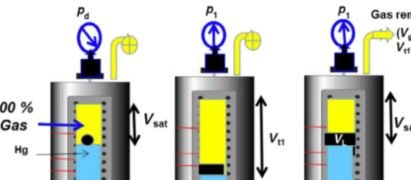
| 10:15 – 12:15 | Laboratory Measurements: Constant Mass Expansion, Differential Liberation, Separator Tests |
| 12:15 – 13:15 | 🍽 Lunch |
| 13:15 – 14:45 | Design and Operation of PVT Cells |
| 14:45 – 15:00 | ☕ Coffee Break |
| 15:00 – 16:30 | Interpreting PVT Reports: Key Data and Uncertainties |
📅 Day 3: Equations of State & Fluid Property Correlations
| Time | Topic |
|---|---|
| 08:30 – 10:00 | Principles of Equations of State (EOS) |
| 10:00 – 10:15 | ☕ Coffee Break |
| 10:15 – 12:15 | EOS Tuning and Calibration |
| 12:15 – 13:15 | 🍽 Lunch |
| 13:15 – 14:45 | Using Correlations for Oil and Gas Properties |
| 14:45 – 15:00 | ☕ Coffee Break |
| 15:00 – 16:30 | EOS Modeling Hands-On Workshop |
📅 Day 4: Applications of PVT Data in Reservoir Engineering
| Time | Topic |
|---|---|
| 08:30 – 10:00 | PVT Data in Material Balance Calculations |
| 10:00 – 10:15 | ☕ Coffee Break |
| 10:15 – 12:15 | Integrating PVT in Reservoir Simulation |
| 12:15 – 13:15 | 🍽 Lunch |
| 13:15 – 14:45 | Gas-Oil Ratios, Solution GOR, Bubble/Dew Points |
| 14:45 – 15:00 | ☕ Coffee Break |
| 15:00 – 16:30 | Case Studies: Field Examples of PVT Analysis |
📅 Day 5: PVT in Production & Surface Facility Design
| Time | Topic |
|---|---|
| 08:30 – 10:00 | Predicting Production Performance Using PVT |
| 10:00 – 10:15 | ☕ Coffee Break |
| 10:15 – 12:15 | PVT Applications in Surface Network and Separator Design |
| 12:15 – 13:15 | 🍽 Lunch |
| 13:15 – 14:45 | Workshop: Developing EOS Models for Real Fields |
| 14:45 – 15:00 | ☕ Coffee Break |
| 15:00 – 16:30 | Course Summary, Final Q&A, and Certificates |
📦 Materials Provided
✅ Course manual with practical examples
✅ EOS modeling templates
✅ Sample lab PVT reports
✅ Certificate of Completion
Target audiences
- Reservoir Engineers, Geologists
You May Like

📘 Procurement and Supplier Relationship Management
🎯 Course Description: This course equips procurement professionals with the knowledge and skills to effectively manage supplier relationships and optimize procurement processes. Emphasizing strategic supplier collaboration, performance management, and value creation, the program helps organizations build resilient, mutually beneficial partnerships. …
📘 Managing Efficient Shutdown and Turnaround
🎯 Course Description: This practical 5-day course is designed to equip professionals with the knowledge and skills required to plan, execute, and close out shutdowns and turnarounds (STOs) in industrial plants efficiently. The course covers best practices in scope management, …
📘 Advanced Contract Drafting and Negotiation Skills
🎯 Course Description: This intensive 5-day program provides participants with advanced tools and techniques for drafting, reviewing, and negotiating contracts in complex, high-value projects. The course focuses on precision in drafting, clarity in language, minimizing ambiguities, and negotiation strategies that …

🌍 Roadmap to Achieve Sustainability: Building a Resilient and Responsible Energy Future
🔎 Course Description This intensive course empowers energy professionals to develop and implement actionable sustainability strategies. It covers global sustainability frameworks, decarbonization pathways, circular economy principles, ESG integration, and reporting practices tailored for oil, gas, and energy industries. Participants will …

🔄 Management of Change (MOC) & Pre-Startup Safety Review (PSSR) Training Course
📘 Course Description: This course provides in-depth training on the systematic control of changes to processes, equipment, people, and procedures through Management of Change (MOC) protocols, and how to verify safety before process startup using Pre-Startup Safety Review (PSSR). Participants …