🛢️ Advanced Nodal Analysis for Production Engineers
📘 Course Description This advanced course equips production and reservoir engineers with the expertise to analyze, model, and optimize well performance using Nodal Analysis. Participants will build deep understanding of inflow performance relationships (IPRs), outflow curves, system component modeling, and …
Overview
📘 Course Description
This advanced course equips production and reservoir engineers with the expertise to analyze, model, and optimize well performance using Nodal Analysis. Participants will build deep understanding of inflow performance relationships (IPRs), outflow curves, system component modeling, and practical applications for single and multiphase flow. Using industry software and field data, attendees will learn to identify bottlenecks, evaluate artificial lift options, and maximize well productivity.
🎯 Learning Objectives
✅ Master the principles of IPR, VLP (Vertical Lift Performance), and system analysis
✅ Accurately build and interpret nodal plots
✅ Analyze single- and multiphase flow scenarios
✅ Evaluate tubing, choke, and surface facility constraints
✅ Use nodal analysis to design, troubleshoot, and optimize production systems
✅ Integrate artificial lift and stimulation effects into nodal models
✅ Apply nodal analysis for well intervention planning
👥 Who Should Attend
-
Production engineers and supervisors
-
Completion engineers
-
Reservoir engineers involved in well performance
-
Technical service personnel
-
Well intervention and artificial lift specialists
🗂️ Training Format
✅ Theoretical instruction with practical examples
✅ Hands-on exercises with nodal analysis software (e.g., Prosper, WellFlo)
✅ Group discussions of real field challenges
✅ Step-by-step workflows for building nodal models
✅ Case studies highlighting optimization success stories
📅 Day-by-Day Agenda with Time Breaks
📅 Day 1: Nodal Analysis Fundamentals
| Time | Topic |
|---|---|
| 08:30 – 09:00 | Welcome, Introductions & Course Objectives |
| 09:00 – 10:30 | Nodal Analysis Overview: Principles & Uses |
| 10:30 – 10:45 | ☕ Coffee Break |
| 10:45 – 12:15 | Components of a Well System: Reservoir, Tubing, Chokes |
| 12:15 – 13:15 | 🍽 Lunch |
| 13:15 – 14:45 | Building Inflow Performance Relationships (IPR) |
| 14:45 – 15:00 | ☕ Coffee Break |
| 15:00 – 16:30 | IPR Models: Vogel, Fetkovich, and Multiphase Inflow |
📅 Day 2: Vertical Lift Performance & Outflow Modeling
| Time | Topic |
|---|---|
| 08:30 – 10:00 | Multiphase Flow Concepts |
| 10:00 – 10:15 | ☕ Coffee Break |
| 10:15 – 12:15 | Calculating Vertical Lift Performance (VLP) |
| 12:15 – 13:15 | 🍽 Lunch |
| 13:15 – 14:45 | Correlations for Pressure Drop & Friction |
| 14:45 – 15:00 | ☕ Coffee Break |
| 15:00 – 16:30 | Nodal Analysis Software Introduction & Setup |
📅 Day 3: Building & Interpreting Nodal Models
| Time | Topic |
|---|---|
| 08:30 – 10:00 | Assembling System Components in Software |
| 10:00 – 10:15 | ☕ Coffee Break |
| 10:15 – 12:15 | Plotting IPR & VLP Curves; Finding Operating Point |
| 12:15 – 13:15 | 🍽 Lunch |
| 13:15 – 14:45 | Analyzing Sensitivity to Tubing Size, Chokes, Reservoir Pressure |
| 14:45 – 15:00 | ☕ Coffee Break |
| 15:00 – 16:30 | Practical Exercise: Build and Analyze Nodal Models |
📅 Day 4: Optimization with Nodal Analysis
| Time | Topic |
|---|---|
| 08:30 – 10:00 | Identifying Bottlenecks & Restrictive Components |
| 10:00 – 10:15 | ☕ Coffee Break |
| 10:15 – 12:15 | Evaluating Artificial Lift Options Using Nodal Analysis |
| 12:15 – 13:15 | 🍽 Lunch |
| 13:15 – 14:45 | Stimulation & Well Intervention Impacts |
| 14:45 – 15:00 | ☕ Coffee Break |
| 15:00 – 16:30 | Case Studies: Field Applications of Nodal Optimization |
📅 Day 5: Advanced Topics & Integrated Analysis
| Time | Topic |
|---|---|
| 08:30 – 10:00 | Multilateral & Horizontal Well Challenges |
| 10:00 – 10:15 | ☕ Coffee Break |
| 10:15 – 12:15 | Integrating Reservoir & Surface Facility Constraints |
| 12:15 – 13:15 | 🍽 Lunch |
| 13:15 – 14:45 | Hands-On Final Exercise: Full Nodal Workflow |
| 14:45 – 15:00 | ☕ Coffee Break |
| 15:00 – 16:30 | Review, Group Presentation, Q&A & Certificate Ceremony |
📦 Materials Provided
✅ Comprehensive course manual
✅ Software-based nodal analysis templates
✅ Practical exercises and datasets
✅ Case study collection for future reference
✅ Certificate of Completion
Target audiences
- Reservoir Engineers, Geologists
You May Like

📘 Procurement and Supplier Relationship Management
🎯 Course Description: This course equips procurement professionals with the knowledge and skills to effectively manage supplier relationships and optimize procurement processes. Emphasizing strategic supplier collaboration, performance management, and value creation, the program helps organizations build resilient, mutually beneficial partnerships. …

📘 Managing Efficient Shutdown and Turnaround
🎯 Course Description: This practical 5-day course is designed to equip professionals with the knowledge and skills required to plan, execute, and close out shutdowns and turnarounds (STOs) in industrial plants efficiently. The course covers best practices in scope management, …
📘 Advanced Contract Drafting and Negotiation Skills
🎯 Course Description: This intensive 5-day program provides participants with advanced tools and techniques for drafting, reviewing, and negotiating contracts in complex, high-value projects. The course focuses on precision in drafting, clarity in language, minimizing ambiguities, and negotiation strategies that …
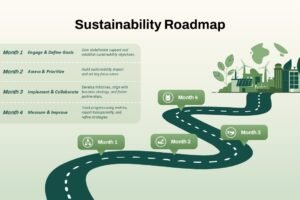
🌍 Roadmap to Achieve Sustainability: Building a Resilient and Responsible Energy Future
🔎 Course Description This intensive course empowers energy professionals to develop and implement actionable sustainability strategies. It covers global sustainability frameworks, decarbonization pathways, circular economy principles, ESG integration, and reporting practices tailored for oil, gas, and energy industries. Participants will …

🔄 Management of Change (MOC) & Pre-Startup Safety Review (PSSR) Training Course
📘 Course Description: This course provides in-depth training on the systematic control of changes to processes, equipment, people, and procedures through Management of Change (MOC) protocols, and how to verify safety before process startup using Pre-Startup Safety Review (PSSR). Participants …