Structural Geology for Subsurface Interpretation
Course Overview: Learn to analyze and interpret subsurface structures—faults, folds, and fractures—for hydrocarbon exploration and development, integrating seismic and well data. Day 1: Introduction to Structural Elements 09:00–09:45: Overview of structural geology in exploration 09:45–10:30: Fault types: normal, reverse, strike-slip …

Overview
Course Overview:
Target audiences
- Reservoir Engineers, Geologists
You May Like

OnlineProcurement, Purchasing, Supply ChainProcurement&Purchasing🌐 Online Training🏫 In-House Solutions👨🏫 In-Person Training
📘 Procurement and Supplier Relationship Management

🎯 Course Description: This course equips procurement professionals with the knowledge and skills to effectively manage supplier relationships and optimize procurement processes. Emphasizing strategic supplier collaboration, performance management, and value creation, the program helps organizations build resilient, mutually beneficial partnerships. …
0
40
students

Mechanical & Electrical EngineeringMechanical EngineeringOnline🌐 Online Training🏫 In-House Solutions👨🏫 In-Person Training
📘 Managing Efficient Shutdown and Turnaround
🎯 Course Description: This practical 5-day course is designed to equip professionals with the knowledge and skills required to plan, execute, and close out shutdowns and turnarounds (STOs) in industrial plants efficiently. The course covers best practices in scope management, …
0
40
students

📘 Advanced Contract Drafting and Negotiation Skills
🎯 Course Description: This intensive 5-day program provides participants with advanced tools and techniques for drafting, reviewing, and negotiating contracts in complex, high-value projects. The course focuses on precision in drafting, clarity in language, minimizing ambiguities, and negotiation strategies that …
0
40
students
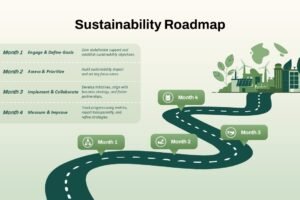
🌍 Roadmap to Achieve Sustainability: Building a Resilient and Responsible Energy Future

🔎 Course Description This intensive course empowers energy professionals to develop and implement actionable sustainability strategies. It covers global sustainability frameworks, decarbonization pathways, circular economy principles, ESG integration, and reporting practices tailored for oil, gas, and energy industries. Participants will …
0
40
students

🔄 Management of Change (MOC) & Pre-Startup Safety Review (PSSR) Training Course
📘 Course Description: This course provides in-depth training on the systematic control of changes to processes, equipment, people, and procedures through Management of Change (MOC) protocols, and how to verify safety before process startup using Pre-Startup Safety Review (PSSR). Participants …
0
40
students

$ 5,000
Course Features
- Lecture 0
- Quiz 0
- Duration 5 days
- Skill level All levels
- Language English
- Students 40
- Assessments Yes