
🕵️ Forensic Accounting and Auditing Training Course
📘 Course Description This comprehensive course provides participants with in-depth knowledge and hands-on skills in forensic accounting, fraud detection, and investigative auditing techniques. It covers the principles, tools, and techniques of forensic accounting, including legal frameworks, data analysis, evidence gathering, …
Overview
📘 Course Description
This comprehensive course provides participants with in-depth knowledge and hands-on skills in forensic accounting, fraud detection, and investigative auditing techniques. It covers the principles, tools, and techniques of forensic accounting, including legal frameworks, data analysis, evidence gathering, interview methods, and report writing. The course integrates real-life case studies to enhance practical application and equips participants with the skills to detect, investigate, and prevent fraud in various financial environments.
🎯 Course Objectives
Participants will learn to:
-
Understand forensic accounting principles and audit procedures
-
Identify red flags and fraud schemes
-
Analyze financial statements for fraudulent manipulation
-
Conduct interviews and gather evidence legally and ethically
-
Prepare effective forensic audit reports
-
Use digital tools and data analytics in investigations
👥 Who Should Attend
-
Forensic Accountants and Auditors
-
Internal and External Auditors
-
Compliance Officers
-
Risk Managers
-
Legal Advisors and Law Enforcement
-
Corporate Investigators
-
Finance Managers
🧠 Training Methodology
-
Interactive lectures and expert facilitation
-
Case studies and group discussions
-
Hands-on exercises and simulations
-
Fraud investigation role-play
-
Templates and toolkits for forensic audit practices
📅 Detailed 5-Day Agenda with Time Breaks
📆 Day 1: Fundamentals of Forensic Accounting
| Time | Topic |
|---|---|
| 08:30–09:00 | Registration and Welcome |
| 09:00–10:30 | Introduction to Forensic Accounting & Auditing |
| 10:30–10:45 | ☕ Coffee Break |
| 10:45–12:15 | Legal & Regulatory Frameworks for Fraud & Corruption |
| 12:15–13:15 | 🍽️ Lunch |
| 13:15–14:45 | Types of Fraud: Financial, Occupational & Cyber |
| 14:45–15:00 | ☕ Coffee Break |
| 15:00–16:30 | Ethics, Governance, and Professional Conduct |
📆 Day 2: Detecting and Investigating Fraud
| Time | Topic |
|---|---|
| 08:30–10:00 | Fraud Red Flags and Symptoms in Financial Records |
| 10:00–10:15 | ☕ Coffee Break |
| 10:15–12:15 | Financial Statement Fraud Detection Techniques |
| 12:15–13:15 | 🍽️ Lunch |
| 13:15–14:45 | Data Analytics for Fraud Detection |
| 14:45–15:00 | ☕ Coffee Break |
| 15:00–16:30 | Benford’s Law, Ratio Analysis, and Red Flag Indexes |
📆 Day 3: Forensic Audit Procedures & Evidence Gathering
| Time | Topic |
|---|---|
| 08:30–10:00 | Planning a Forensic Audit: Scope, Risk & Strategy |
| 10:00–10:15 | ☕ Coffee Break |
| 10:15–12:15 | Collecting, Preserving, and Documenting Evidence |
| 12:15–13:15 | 🍽️ Lunch |
| 13:15–14:45 | Interview Techniques for Witnesses and Suspects |
| 14:45–15:00 | ☕ Coffee Break |
| 15:00–16:30 | Chain of Custody and Evidence Admissibility |
📆 Day 4: Digital Forensics and Cybercrime Investigation
| Time | Topic |
|---|---|
| 08:30–10:00 | Introduction to Digital Forensics |
| 10:00–10:15 | ☕ Coffee Break |
| 10:15–12:15 | Computer-Based Evidence Collection & E-Discovery |
| 12:15–13:15 | 🍽️ Lunch |
| 13:15–14:45 | Cyber Fraud Case Studies and Risk Controls |
| 14:45–15:00 | ☕ Coffee Break |
| 15:00–16:30 | Forensic Tools: ACL, IDEA, CaseWare, Excel Models |
📆 Day 5: Reporting, Litigation & Case Studies
| Time | Topic |
|---|---|
| 08:30–10:00 | Writing a Forensic Audit Report |
| 10:00–10:15 | ☕ Coffee Break |
| 10:15–12:15 | Presenting Evidence in Court and Legal Testimony |
| 12:15–13:15 | 🍽️ Lunch |
| 13:15–14:45 | Simulated Case Study: Fraud Investigation Exercise |
| 14:45–15:00 | ☕ Coffee Break |
| 15:00–16:30 | Final Review, Q&A, and Certificate Distribution |
📂 Materials Provided
-
Forensic Audit Toolkit (Templates, Checklists, Flowcharts)
-
Digital Forensics Software Demos
-
Sample Reports and Legal Documents
-
Real-World Case Study Compendium
-
Certificate of Completion
Target audiences
- Reservoir Engineers, Geologists
You May Like

📘 Procurement and Supplier Relationship Management
🎯 Course Description: This course equips procurement professionals with the knowledge and skills to effectively manage supplier relationships and optimize procurement processes. Emphasizing strategic supplier collaboration, performance management, and value creation, the program helps organizations build resilient, mutually beneficial partnerships. …

📘 Managing Efficient Shutdown and Turnaround
🎯 Course Description: This practical 5-day course is designed to equip professionals with the knowledge and skills required to plan, execute, and close out shutdowns and turnarounds (STOs) in industrial plants efficiently. The course covers best practices in scope management, …
📘 Advanced Contract Drafting and Negotiation Skills
🎯 Course Description: This intensive 5-day program provides participants with advanced tools and techniques for drafting, reviewing, and negotiating contracts in complex, high-value projects. The course focuses on precision in drafting, clarity in language, minimizing ambiguities, and negotiation strategies that …
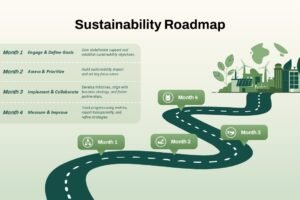
🌍 Roadmap to Achieve Sustainability: Building a Resilient and Responsible Energy Future
🔎 Course Description This intensive course empowers energy professionals to develop and implement actionable sustainability strategies. It covers global sustainability frameworks, decarbonization pathways, circular economy principles, ESG integration, and reporting practices tailored for oil, gas, and energy industries. Participants will …

🔄 Management of Change (MOC) & Pre-Startup Safety Review (PSSR) Training Course
📘 Course Description: This course provides in-depth training on the systematic control of changes to processes, equipment, people, and procedures through Management of Change (MOC) protocols, and how to verify safety before process startup using Pre-Startup Safety Review (PSSR). Participants …