
📊 Financial Modelling Training Course
📝 Course Description This course is designed to equip participants with practical financial modelling skills required to build robust, dynamic, and transparent models for real-world decision-making. The course uses hands-on Excel-based exercises and real business scenarios to cover financial forecasting, …
Overview
📝 Course Description
This course is designed to equip participants with practical financial modelling skills required to build robust, dynamic, and transparent models for real-world decision-making. The course uses hands-on Excel-based exercises and real business scenarios to cover financial forecasting, valuation, budgeting, scenario analysis, and investment decisions.
Participants will learn to create, audit, and present financial models that support planning, funding, performance evaluation, and strategic decisions.
🎯 Learning Objectives
By the end of this course, participants will be able to:
-
Design structured and scalable financial models in Excel
-
Apply best practices in model architecture, formulas, and logic
-
Build 3-statement models: income statement, balance sheet, and cash flow
-
Perform scenario, sensitivity, and break-even analysis
-
Conduct project valuation using DCF, NPV, IRR, and other metrics
-
Create dashboards and visual outputs for stakeholders
-
Audit, debug, and stress test financial models
👥 Who Should Attend
-
Financial Analysts & Business Analysts
-
Investment and Corporate Finance Professionals
-
Accountants and Budget Officers
-
Strategic Planners and CFO Office Staff
-
Project Finance & Commercial Managers
-
MBA Graduates and Trainees
🧠 Training Methodology
-
Live modelling and formula-building in Excel
-
Instructor-led walkthroughs and examples
-
Group case studies and breakout modeling exercises
-
Real-time error-checking and audit sessions
-
End-of-course capstone project
📅 5-Day Course Agenda
📘 Day 1: Financial Modelling Fundamentals & Excel Best Practices
| Time | Topic |
|---|---|
| 08:30–09:00 | Welcome, Introductions & Objectives |
| 09:00–10:30 | Key Modelling Principles: Structure, Integrity, Transparency |
| 10:30–10:45 | ☕ Coffee Break |
| 10:45–12:15 | Excel Techniques for Modellers (Named ranges, INDEX-MATCH, IF, etc.) |
| 12:15–13:15 | 🍽️ Lunch |
| 13:15–14:45 | Formatting, Assumptions, Inputs vs. Calculations |
| 14:45–15:00 | ☕ Coffee Break |
| 15:00–16:30 | Exercise: Build a Simple Integrated Forecasting Model |
📗 Day 2: Building a 3-Statement Model
| Time | Topic |
|---|---|
| 08:30–10:00 | Income Statement and Key Forecast Drivers |
| 10:00–10:15 | ☕ Coffee Break |
| 10:15–12:15 | Balance Sheet: Working Capital, Debt Schedules, CAPEX |
| 12:15–13:15 | 🍽️ Lunch |
| 13:15–14:45 | Cash Flow Statement: Direct vs. Indirect Method |
| 14:45–15:00 | ☕ Coffee Break |
| 15:00–16:30 | Linking the 3 Financial Statements Dynamically |
📙 Day 3: Forecasting, Ratios, and Scenario Analysis
| Time | Topic |
|---|---|
| 08:30–10:00 | Revenue and Cost Forecasting Techniques |
| 10:00–10:15 | ☕ Coffee Break |
| 10:15–12:15 | Financial Ratios and KPIs: Profitability, Liquidity, Leverage |
| 12:15–13:15 | 🍽️ Lunch |
| 13:15–14:45 | Scenario Analysis and Data Tables (What-if, Goal Seek, Solver) |
| 14:45–15:00 | ☕ Coffee Break |
| 15:00–16:30 | Building Scenarios: Base, Optimistic, Downside |
📕 Day 4: Project Valuation and DCF Modelling
| Time | Topic |
|---|---|
| 08:30–10:00 | Capital Budgeting: NPV, IRR, Payback, Profitability Index |
| 10:00–10:15 | ☕ Coffee Break |
| 10:15–12:15 | Discounted Cash Flow (DCF) Modeling from Scratch |
| 12:15–13:15 | 🍽️ Lunch |
| 13:15–14:45 | Sensitivity and Tornado Charts |
| 14:45–15:00 | ☕ Coffee Break |
| 15:00–16:30 | Case Study: Investment Appraisal of a New Project |
📒 Day 5: Model Auditing, Dashboards & Capstone Project
| Time | Topic |
|---|---|
| 08:30–10:00 | Auditing & Error-Checking Techniques |
| 10:00–10:15 | ☕ Coffee Break |
| 10:15–12:15 | Creating Dashboards and Summary Pages |
| 12:15–13:15 | 🍽️ Lunch |
| 13:15–14:45 | Capstone Exercise: Build and Present a Complete Model |
| 14:45–15:00 | ☕ Coffee Break |
| 15:00–16:30 | Feedback, Q&A, Assessment & Certification |
🎓 Training Deliverables
-
Excel templates and practice models
-
Model quality checklist and documentation guidelines
-
Capstone project toolkit
-
Certificate of completion
Target audiences
- Reservoir Engineers, Geologists
You May Like

📘 Procurement and Supplier Relationship Management
🎯 Course Description: This course equips procurement professionals with the knowledge and skills to effectively manage supplier relationships and optimize procurement processes. Emphasizing strategic supplier collaboration, performance management, and value creation, the program helps organizations build resilient, mutually beneficial partnerships. …

📘 Managing Efficient Shutdown and Turnaround
🎯 Course Description: This practical 5-day course is designed to equip professionals with the knowledge and skills required to plan, execute, and close out shutdowns and turnarounds (STOs) in industrial plants efficiently. The course covers best practices in scope management, …
📘 Advanced Contract Drafting and Negotiation Skills
🎯 Course Description: This intensive 5-day program provides participants with advanced tools and techniques for drafting, reviewing, and negotiating contracts in complex, high-value projects. The course focuses on precision in drafting, clarity in language, minimizing ambiguities, and negotiation strategies that …
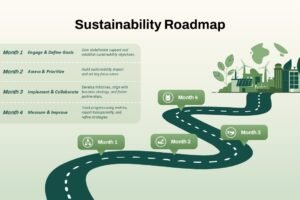
🌍 Roadmap to Achieve Sustainability: Building a Resilient and Responsible Energy Future
🔎 Course Description This intensive course empowers energy professionals to develop and implement actionable sustainability strategies. It covers global sustainability frameworks, decarbonization pathways, circular economy principles, ESG integration, and reporting practices tailored for oil, gas, and energy industries. Participants will …

🔄 Management of Change (MOC) & Pre-Startup Safety Review (PSSR) Training Course
📘 Course Description: This course provides in-depth training on the systematic control of changes to processes, equipment, people, and procedures through Management of Change (MOC) protocols, and how to verify safety before process startup using Pre-Startup Safety Review (PSSR). Participants …