Geochemical Techniques for soure rocks evaluation
🎯 Course Description: This course is designed to provide geoscientists, reservoir engineers, and production specialists with practical knowledge of applied geochemistry to solve field development and reservoir management challenges. Participants will learn how to integrate geochemical data (e.g., oil, gas, …
Overview
🎯 Course Description:
This course is designed to provide geoscientists, reservoir engineers, and production specialists with practical knowledge of applied geochemistry to solve field development and reservoir management challenges. Participants will learn how to integrate geochemical data (e.g., oil, gas, and water composition, isotopes, biomarkers) to assess reservoir continuity, compartmentalization, fluid origins, migration pathways, production allocation, and EOR monitoring.
The course emphasizes real-world applications through case studies, hands-on interpretation, and workflow development. It also explores advanced analytical methods and geochemical modeling used to support field development decisions across conventional and unconventional systems.
👥 Who Should Attend:
-
Reservoir Engineers
-
Geoscientists (Geologists & Geochemists)
-
Petroleum Engineers
-
Development Planners
-
Production and Surveillance Engineers
-
Field Development Teams
🧾 Training Format:
-
Duration: 5 Days
-
Delivery: Classroom / Virtual Instructor-Led
-
Approach: Lectures, Case Studies, Group Work, Interpretation Exercises
-
Course Materials: Digital Manual, Reference Charts, Lab Interpretation Templates
🗓️ 5-Day Detailed Agenda with Time Breaks
Day 1: Introduction to Geochemistry in Field Development
| Time | Topic |
|---|---|
| 09:00 – 09:30 | Welcome & Objectives of the Course |
| 09:30 – 10:30 | Role of Geochemistry in Reservoir Management |
| 10:30 – 10:45 | ☕ Coffee Break |
| 10:45 – 12:15 | Basic Petroleum Geochemistry: Origins & Maturity |
| 12:15 – 13:15 | 🍽️ Lunch Break |
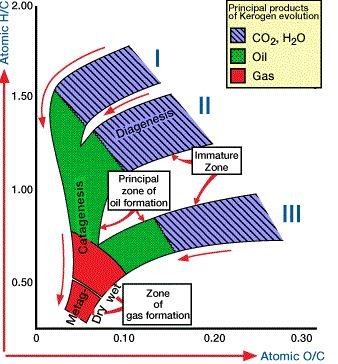
| 13:15 – 14:45 | Source Rocks, Kerogen Types & Thermal Evolution |
| 14:45 – 15:00 | ☕ Coffee Break |
| 15:00 – 16:30 | Biomarkers, Isotopes & Geochemical Fingerprinting |
Day 2: Reservoir Connectivity & Fluid Distribution
| Time | Topic |
|---|---|
| 09:00 – 10:30 | Geochemical Techniques for Assessing Reservoir Connectivity |
| 10:30 – 10:45 | ☕ Coffee Break |
| 10:45 – 12:15 | Compartmentalization & Fluid Contacts Using Geochemistry |
| 12:15 – 13:15 | 🍽️ Lunch Break |
| 13:15 – 14:45 | Oil Families & Migration Pathways |
| 14:45 – 15:00 | ☕ Coffee Break |
| 15:00 – 16:30 | Case Study: Differentiating Fluid Compartments in Complex Reservoirs |
Day 3: Production Allocation and Monitoring
| Time | Topic |
|---|---|
| 09:00 – 10:30 | Production Allocation Using Geochemical Tracers |
| 10:30 – 10:45 | ☕ Coffee Break |
| 10:45 – 12:15 | Differentiating Oil & Gas from Multiple Zones |
| 12:15 – 13:15 | 🍽️ Lunch Break |
| 13:15 – 14:45 | Monitoring Commingled Production Over Time |
| 14:45 – 15:00 | ☕ Coffee Break |
| 15:00 – 16:30 | Integrating Fluid Geochemistry with PLT and Logging Data |
Day 4: Geochemical Applications in EOR and Water Management
| Time | Topic |
|---|---|
| 09:00 – 10:30 | Geochemical Surveillance of EOR Projects (Polymer, CO₂, WAG, etc.) |
| 10:30 – 10:45 | ☕ Coffee Break |
| 10:45 – 12:15 | Tracer Applications for Water Flood and Gas Injection Monitoring |
| 12:15 – 13:15 | 🍽️ Lunch Break |
| 13:15 – 14:45 | Identification of Breakthrough Sources (Water, Gas, Crossflow) |
| 14:45 – 15:00 | ☕ Coffee Break |
| 15:00 – 16:30 | Case Study: Monitoring a Miscible Gas Injection Project |
Day 5: Integration, Workflows & Case Studies
| Time | Topic |
|---|---|
| 09:00 – 10:30 | Integrating Geochemistry with Static and Dynamic Models |
| 10:30 – 10:45 | ☕ Coffee Break |
| 10:45 – 12:15 | Geochemical Workflow Development for Field Application |
| 12:15 – 13:15 | 🍽️ Lunch Break |
| 13:15 – 14:45 | Group Exercise: Solving Field Development Problems Using Geochemistry |
| 14:45 – 15:00 | ☕ Coffee Break |
| 15:00 – 16:30 | Summary, Discussion, Feedback & Certificate Distribution |
Target audiences
- Reservoir Engineers, Geologists
You May Like
📘 Underbalanced Drilling (UBD) Techniques and Safety
🎯 Course Description: This intensive 5-day program focuses on Underbalanced Drilling (UBD) – an advanced technique used to drill wells where the hydrostatic pressure of the fluid is intentionally kept below formation pressure. Participants will learn how to implement UBD …
📘 Managed Pressure Drilling (MPD) Techniques and Operations
🎯 Course Description: This 5-day comprehensive course focuses on Managed Pressure Drilling (MPD) as a modern approach to optimize drilling performance and manage narrow-margin wells. Participants will gain a deep understanding of MPD techniques, equipment, operational planning, and risk mitigation …
📘 HPHT Drilling Operations and Well Control
🎯 Course Description: This advanced 5-day course is tailored for drilling personnel operating in High Pressure, High Temperature (HPHT) environments, where conventional drilling techniques are not sufficient. The training focuses on HPHT well planning, equipment selection, risk mitigation, and advanced …
📘 IADC WellSharp – Drilling (Supervisor Level)
🎯 Course Description: This 5-day intensive training prepares drilling supervisors, company men, toolpushers, and senior drillers to safely and efficiently manage well control operations as per the IADC WellSharp standards. The course emphasizes supervisory-level responsibilities in planning, preventing, detecting, and …
📘 IWCF Level 4 Well Control (Subsea BOP)
🎯 Course Description: This is an advanced supervisory course in well control specifically for subsea blow‑out preventers. It is designed to prepare personnel to manage complex well control operations and emergencies in subsea environments under the IWCF standard. 👥 Who …