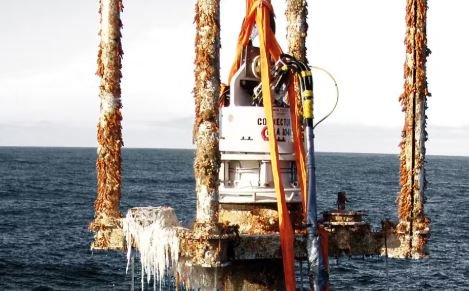
🛑 Well Abandonment – Plug, Abandonment and Decommissioning
🌟 Course Description This intensive course covers the full lifecycle of well abandonment, including the design, execution, and regulatory aspects of plugging, abandonment, and decommissioning (P&A) of oil and gas wells. Participants will gain practical knowledge of international standards, engineering …
Overview
🌟 Course Description
This intensive course covers the full lifecycle of well abandonment, including the design, execution, and regulatory aspects of plugging, abandonment, and decommissioning (P&A) of oil and gas wells. Participants will gain practical knowledge of international standards, engineering practices, risk assessments, well barrier design, environmental considerations, and the latest technologies for safe and cost-effective well abandonment operations.
🎯 Learning Objectives
✅ Understand the regulatory and environmental requirements for well abandonment
✅ Design permanent well barriers and P&A programs
✅ Identify and mitigate risks associated with abandonment operations
✅ Learn operational best practices and well control during P&A
✅ Apply standards like NORSOK D-010, API, and ISO guidelines
✅ Develop strategies for cost-effective decommissioning of platforms and subsea wells
👥 Who Should Attend
-
Well engineers, drilling and completion engineers
-
Well integrity and intervention specialists
-
HSE professionals involved in abandonment projects
-
Asset managers and project planners
-
Regulators and government agencies overseeing P&A
-
Anyone involved in well decommissioning planning and execution
🗂️ Training Format
✅ Expert lectures with real industry examples
✅ Workshops on barrier design and risk assessment
✅ Group exercises on P&A planning
✅ Video case studies of successful and failed abandonments
✅ Interactive discussions and knowledge sharing
📅 Detailed Daily Agenda with Time Breaks
📅 Day 1: Fundamentals of Well Abandonment
| Time | Topic |
|---|---|
| 08:30 – 09:00 | Welcome, Introductions & Course Objectives |
| 09:00 – 10:30 | Principles of Well Abandonment & Lifecycle Overview |
| 10:30 – 10:45 | ☕ Coffee Break |
| 10:45 – 12:15 | Regulatory Requirements & International Standards |
| 12:15 – 13:15 | 🍽 Lunch |
| 13:15 – 14:45 | Types of Abandonments: Temporary, Permanent, Suspensions |
| 14:45 – 15:00 | ☕ Coffee Break |
| 15:00 – 16:30 | Well Integrity & Key Elements of Well Barrier Philosophy |
📅 Day 2: Well Barrier Design and Verification
| Time | Topic |
|---|---|
| 08:30 – 10:00 | Fundamentals of Well Barrier Design |
| 10:00 – 10:15 | ☕ Coffee Break |
| 10:15 – 12:15 | Materials for Barriers: Cement, Mechanical Plugs, Resins |
| 12:15 – 13:15 | 🍽 Lunch |
| 13:15 – 14:45 | Placement Techniques and Verification Methods |
| 14:45 – 15:00 | ☕ Coffee Break |
| 15:00 – 16:30 | Barrier Integrity Testing and Acceptance Criteria |
📅 Day 3: Operational Aspects of Plug & Abandonment
| Time | Topic |
|---|---|
| 08:30 – 10:00 | Planning and Engineering of P&A Operations |
| 10:00 – 10:15 | ☕ Coffee Break |
| 10:15 – 12:15 | Well Control Considerations During Abandonment |
| 12:15 – 13:15 | 🍽 Lunch |
| 13:15 – 14:45 | Cutting, Milling, and Section Milling of Casing |
| 14:45 – 15:00 | ☕ Coffee Break |
| 15:00 – 16:30 | Offshore and Subsea Well Abandonment Challenges |
📅 Day 4: Environmental & Risk Considerations
| Time | Topic |
|---|---|
| 08:30 – 10:00 | Environmental Impact of Well Abandonment |
| 10:00 – 10:15 | ☕ Coffee Break |
| 10:15 – 12:15 | Risk Assessment and Mitigation Strategies |
| 12:15 – 13:15 | 🍽 Lunch |
| 13:15 – 14:45 | Regulatory Reporting and Documentation Requirements |
| 14:45 – 15:00 | ☕ Coffee Break |
| 15:00 – 16:30 | Decommissioning Planning for Surface and Subsea Equipment |
📅 Day 5: Advanced Techniques & Case Studies
| Time | Topic |
|---|---|
| 08:30 – 10:00 | Advanced Tools and Technologies for P&A |
| 10:00 – 10:15 | ☕ Coffee Break |
| 10:15 – 12:15 | Case Studies: Successful and Failed Abandonments |
| 12:15 – 13:15 | 🍽 Lunch |
| 13:15 – 14:45 | Economic Considerations and Cost Optimization |
| 14:45 – 15:00 | ☕ Coffee Break |
| 15:00 – 16:30 | Workshop: Building an Effective P&A Program & Wrap-Up |
📦 Materials Provided
✅ Comprehensive course manual and slides
✅ Plug and abandonment planning templates
✅ Barrier verification checklists
✅ Case study videos and examples
✅ Certificate of Completion
Target audiences
- Reservoir Engineers, Geologists
You May Like

📘 Procurement and Supplier Relationship Management
🎯 Course Description: This course equips procurement professionals with the knowledge and skills to effectively manage supplier relationships and optimize procurement processes. Emphasizing strategic supplier collaboration, performance management, and value creation, the program helps organizations build resilient, mutually beneficial partnerships. …
📘 Managing Efficient Shutdown and Turnaround
🎯 Course Description: This practical 5-day course is designed to equip professionals with the knowledge and skills required to plan, execute, and close out shutdowns and turnarounds (STOs) in industrial plants efficiently. The course covers best practices in scope management, …
📘 Advanced Contract Drafting and Negotiation Skills
🎯 Course Description: This intensive 5-day program provides participants with advanced tools and techniques for drafting, reviewing, and negotiating contracts in complex, high-value projects. The course focuses on precision in drafting, clarity in language, minimizing ambiguities, and negotiation strategies that …
🌍 Roadmap to Achieve Sustainability: Building a Resilient and Responsible Energy Future
🔎 Course Description This intensive course empowers energy professionals to develop and implement actionable sustainability strategies. It covers global sustainability frameworks, decarbonization pathways, circular economy principles, ESG integration, and reporting practices tailored for oil, gas, and energy industries. Participants will …

🔄 Management of Change (MOC) & Pre-Startup Safety Review (PSSR) Training Course
📘 Course Description: This course provides in-depth training on the systematic control of changes to processes, equipment, people, and procedures through Management of Change (MOC) protocols, and how to verify safety before process startup using Pre-Startup Safety Review (PSSR). Participants …