⚙️ Electric Submersible Pumps – Practical Equipment
📘 Course Description This course provides a comprehensive practical understanding of Electric Submersible Pump (ESP) systems, including design principles, equipment selection, installation, operation, maintenance, failure analysis, and optimization. Participants will explore ESP components in detail, learn how to read performance …
Overview
📘 Course Description
This course provides a comprehensive practical understanding of Electric Submersible Pump (ESP) systems, including design principles, equipment selection, installation, operation, maintenance, failure analysis, and optimization. Participants will explore ESP components in detail, learn how to read performance curves, and develop troubleshooting skills using real equipment and case studies. The course bridges the gap between theory and field application, preparing engineers and operators to manage ESP systems effectively.
🎯 Learning Objectives
✅ Understand ESP components, configurations, and operating principles
✅ Perform equipment selection and design calculations for different well conditions
✅ Read, analyze, and optimize ESP performance curves
✅ Identify causes of ESP failures and apply troubleshooting techniques
✅ Develop skills for ESP installation, operation, and maintenance
✅ Review best practices to extend ESP runtime and efficiency
👥 Who Should Attend
-
Production, petroleum, and artificial lift engineers
-
Field engineers and technicians involved in ESP operations
-
Maintenance supervisors & equipment specialists
-
Completion engineers responsible for ESP wells
-
Production optimization staff
🗂️ Training Format
✅ Detailed technical lectures
✅ Hands-on equipment workshops (if on-site)
✅ Interactive problem-solving sessions
✅ Real case studies & failure analysis exercises
✅ Daily Q&A discussions
📅 Day-by-Day Agenda with Time Breaks
📅 Day 1: ESP Introduction & System Components
| Time | Topic |
|---|---|
| 08:30 – 09:00 | Welcome, Introductions & Course Objectives |
| 09:00 – 10:30 | Overview of Artificial Lift Methods & ESP Applications |
| 10:30 – 10:45 | ☕ Coffee Break |
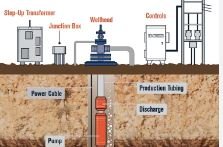
| 10:45 – 12:15 | ESP System Components: Pump, Motor, Seal/Protector, Intake, Power Cable |
| 12:15 – 13:15 | 🍽 Lunch |
| 13:15 – 14:45 | ESP Configurations, Staging & Multiphase Handling |
| 14:45 – 15:00 | ☕ Coffee Break |
| 15:00 – 16:30 | ESP Component Workshop: Hands-on Inspection (Virtual photos/videos for remote courses) |
📅 Day 2: ESP Design & Performance Analysis
| Time | Topic |
|---|---|
| 08:30 – 10:00 | ESP Design Principles: Head, Flow Rate, Horsepower |
| 10:00 – 10:15 | ☕ Coffee Break |
| 10:15 – 12:15 | Reading & Analyzing ESP Performance Curves |
| 12:15 – 13:15 | 🍽 Lunch |
| 13:15 – 14:45 | Matching ESP to Reservoir & Well Conditions |
| 14:45 – 15:00 | ☕ Coffee Break |
| 15:00 – 16:30 | Design Workshop: ESP Selection for Given Well Data |
📅 Day 3: ESP Installation, Operation & Monitoring
| Time | Topic |
|---|---|
| 08:30 – 10:00 | ESP Installation Procedures & Best Practices |
| 10:00 – 10:15 | ☕ Coffee Break |
| 10:15 – 12:15 | Cable, Splice & Electrical Considerations |
| 12:15 – 13:15 | 🍽 Lunch |
| 13:15 – 14:45 | Surface Equipment: Variable Speed Drives (VSD), Transformers, Panels |
| 14:45 – 15:00 | ☕ Coffee Break |
| 15:00 – 16:30 | ESP Operation Monitoring: Sensors, Alarms & Data Interpretation |
📅 Day 4: ESP Troubleshooting & Failure Analysis
| Time | Topic |
|---|---|
| 08:30 – 10:00 | Common ESP Problems: Causes & Symptoms |
| 10:00 – 10:15 | ☕ Coffee Break |
| 10:15 – 12:15 | Motor, Seal & Pump Failure Modes |
| 12:15 – 13:15 | 🍽 Lunch |
| 13:15 – 14:45 | Case Studies: ESP Failures from the Field |
| 14:45 – 15:00 | ☕ Coffee Break |
| 15:00 – 16:30 | Troubleshooting Workshop: Diagnostic Flowcharts & Solutions |
📅 Day 5: ESP Optimization & Course Wrap-Up
| Time | Topic |
|---|---|
| 08:30 – 10:00 | ESP Efficiency Improvements: Strategies for Extended Run Life |
| 10:00 – 10:15 | ☕ Coffee Break |
| 10:15 – 12:15 | Optimization Techniques Using SCADA & Real-Time Data |
| 12:15 – 13:15 | 🍽 Lunch |
| 13:15 – 14:45 | Integrated Field Management with ESP Systems |
| 14:45 – 15:00 | ☕ Coffee Break |
| 15:00 – 16:30 | Final Case Study, Q&A, Wrap-Up & Certificate Distribution |
📦 Materials Provided
✅ Course slides & ESP manuals
✅ Performance curve charts & design templates
✅ Troubleshooting guides & diagnostic tools
✅ Real case study examples
✅ Certificate of Completion
Target audiences
- Reservoir Engineers, Geologists
You May Like

📘 Underbalanced Drilling (UBD) Techniques and Safety
🎯 Course Description: This intensive 5-day program focuses on Underbalanced Drilling (UBD) – an advanced technique used to drill wells where the hydrostatic pressure of the fluid is intentionally kept below formation pressure. Participants will learn how to implement UBD …
📘 Managed Pressure Drilling (MPD) Techniques and Operations
🎯 Course Description: This 5-day comprehensive course focuses on Managed Pressure Drilling (MPD) as a modern approach to optimize drilling performance and manage narrow-margin wells. Participants will gain a deep understanding of MPD techniques, equipment, operational planning, and risk mitigation …
📘 HPHT Drilling Operations and Well Control
🎯 Course Description: This advanced 5-day course is tailored for drilling personnel operating in High Pressure, High Temperature (HPHT) environments, where conventional drilling techniques are not sufficient. The training focuses on HPHT well planning, equipment selection, risk mitigation, and advanced …
📘 IADC WellSharp – Drilling (Supervisor Level)
🎯 Course Description: This 5-day intensive training prepares drilling supervisors, company men, toolpushers, and senior drillers to safely and efficiently manage well control operations as per the IADC WellSharp standards. The course emphasizes supervisory-level responsibilities in planning, preventing, detecting, and …
📘 IADC WellSharp – Drilling Introductory Level
🎯 Course Description: WellSharp Intro provides basic awareness and understanding of well control for drilling personnel including rig floor crew, toolpushers, driller’s assistants etc. It includes safety, well control fundamentals, and awareness of pressures and fluids. 👥 Who Should Attend: …