Fractured & Unconventional Reservoir Modelling
🎯 Course Description: This Fractured Reservoir Modeling Course provides participants with a comprehensive understanding of how to model fractured and unconventional reservoirs (tight sands, shale, and CBM) using modern techniques and workflows. This course provides participants with a comprehensive understanding …
Overview
🎯 Course Description:
This Fractured Reservoir Modeling Course provides participants with a comprehensive understanding of how to model fractured and unconventional reservoirs (tight sands, shale, and CBM) using modern techniques and workflows.
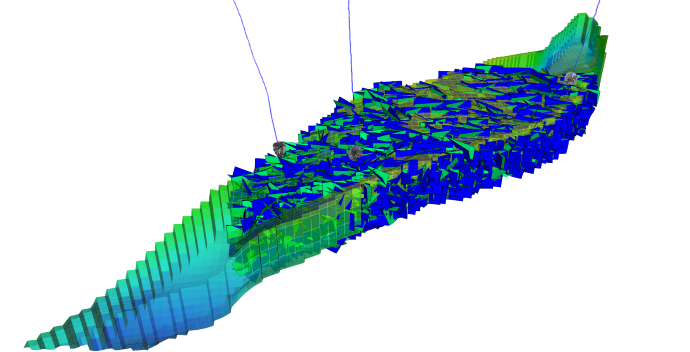
This course provides participants with a comprehensive understanding of how to model fractured and unconventional reservoirs (tight sands, shale, and CBM) using modern techniques and workflows. The course covers the geological and geomechanical fundamentals of natural fractures, the integration of seismic and well data, dual-porosity/dual-permeability concepts, discrete fracture networks (DFN), and their implementation in static and dynamic reservoir models.
Through lectures, hands-on exercises, and case studies, participants will learn how to build realistic models to guide reservoir performance forecasting and development planning in low-permeability and naturally fractured systems.
👥 Who Should Attend:
-
Reservoir Engineers
-
Geologists and Geophysicists
-
Petrophysicists
-
Production Engineers
-
Subsurface Modelers
-
E&P professionals working in unconventional or fractured reservoirs
🧾 Training Format:
-
Duration: 5 Days
-
Delivery: In-person or Online (Instructor-led Live)
-
Methodology: Theoretical lectures, software-based exercises, team interpretation, and case studies
-
Materials Provided: Digital course manual, interpretation datasets, model-building examples
🗓️ 5-Day Detailed Agenda with Time Breaks
Day 1: Introduction to Fractured and Unconventional Reservoirs
| Time | Topic |
|---|---|
| 09:00 – 09:30 | Welcome & Course Objectives |
| 09:30 – 10:30 | Overview of Fractured and Unconventional Reservoir Types |
| 10:30 – 10:45 | ☕ Coffee Break |
| 10:45 – 12:15 | Geology and Genesis of Natural Fractures in Reservoirs |
| 12:15 – 13:15 | 🍽️ Lunch |
| 13:15 – 14:45 | Overview of Tight Gas, Shale, and CBM Reservoir Properties |
| 14:45 – 15:00 | ☕ Coffee Break |
| 15:00 – 16:30 | Reservoir Quality, TOC, Maturity, and Brittleness |
Day 2: Fracture Characterization and Data Integration
| Time | Topic |
|---|---|
| 09:00 – 10:30 | Fracture Detection: Core, FMI, Seismic Attributes |
| 10:30 – 10:45 | ☕ Coffee Break |
| 10:45 – 12:15 | Structural Controls on Fracture Orientation & Intensity |
| 12:15 – 13:15 | 🍽️ Lunch |
| 13:15 – 14:45 | Stress Regimes and Geomechanical Models |
| 14:45 – 15:00 | ☕ Coffee Break |
| 15:00 – 16:30 | Seismic Interpretation in Fractured Reservoirs |
Day 3: Static Modeling of Fractured Reservoirs
| Time | Topic |
|---|---|
| 09:00 – 10:30 | Fundamentals of Dual-Porosity and Dual-Permeability Models |
| 10:30 – 10:45 | ☕ Coffee Break |
| 10:45 – 12:15 | Discrete Fracture Network (DFN) Modeling – Concepts & Workflows |
| 12:15 – 13:15 | 🍽️ Lunch |
| 13:15 – 14:45 | Building Fracture Models from Structural and FMI Data |
| 14:45 – 15:00 | ☕ Coffee Break |
| 15:00 – 16:30 | Software-Based Exercise: Fracture Intensity and Orientation Modeling |
Day 4: Unconventional Reservoir Modeling Workflows
| Time | Topic |
|---|---|
| 09:00 – 10:30 | Geocellular Modeling for Shale & Tight Gas Reservoirs |
| 10:30 – 10:45 | ☕ Coffee Break |
| 10:45 – 12:15 | TOC, Kerogen Type, Mineralogy & Mechanical Stratigraphy Modeling |
| 12:15 – 13:15 | 🍽️ Lunch |
| 13:15 – 14:45 | Hydraulic Fracture Modeling & Stimulated Rock Volume (SRV) |
| 14:45 – 15:00 | ☕ Coffee Break |
| 15:00 – 16:30 | Integration of Well Logs, Core, and Seismic for Shale Modeling |
Day 5: Dynamic Considerations & Case Studies
| Time | Topic |
|---|---|
| 09:00 – 10:30 | Fluid Flow in Fractured Media – DFN and EDFM Approaches |
| 10:30 – 10:45 | ☕ Coffee Break |
| 10:45 – 12:15 | History Matching and Production Forecasting in Fractured Systems |
| 12:15 – 13:15 | 🍽️ Lunch |
| 13:15 – 14:45 | Case Study: Fractured Carbonates vs. Shale Reservoir Development |
| 14:45 – 15:00 | ☕ Coffee Break |
| 15:00 – 16:30 | Wrap-Up, Participant Presentations, Certificate Distribution |
Target audiences
- Reservoir Engineers, Geologists
You May Like

📘 Underbalanced Drilling (UBD) Techniques and Safety
🎯 Course Description: This intensive 5-day program focuses on Underbalanced Drilling (UBD) – an advanced technique used to drill wells where the hydrostatic pressure of the fluid is intentionally kept below formation pressure. Participants will learn how to implement UBD …
📘 Managed Pressure Drilling (MPD) Techniques and Operations
🎯 Course Description: This 5-day comprehensive course focuses on Managed Pressure Drilling (MPD) as a modern approach to optimize drilling performance and manage narrow-margin wells. Participants will gain a deep understanding of MPD techniques, equipment, operational planning, and risk mitigation …
📘 HPHT Drilling Operations and Well Control
🎯 Course Description: This advanced 5-day course is tailored for drilling personnel operating in High Pressure, High Temperature (HPHT) environments, where conventional drilling techniques are not sufficient. The training focuses on HPHT well planning, equipment selection, risk mitigation, and advanced …
📘 IADC WellSharp – Drilling (Supervisor Level)
🎯 Course Description: This 5-day intensive training prepares drilling supervisors, company men, toolpushers, and senior drillers to safely and efficiently manage well control operations as per the IADC WellSharp standards. The course emphasizes supervisory-level responsibilities in planning, preventing, detecting, and …
📘 IWCF Level 4 Well Control (Subsea BOP)
🎯 Course Description: This is an advanced supervisory course in well control specifically for subsea blow‑out preventers. It is designed to prepare personnel to manage complex well control operations and emergencies in subsea environments under the IWCF standard. 👥 Who …