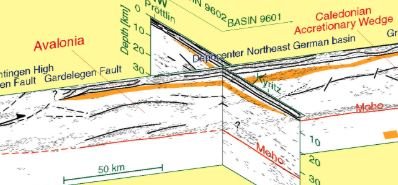
Seismic Interpretation & Basin Analysis of Rift Basin Systems
🎯 Course Description: This advanced course is designed to equip geoscientists with in-depth knowledge of seismic interpretation and basin evolution specific to rift basin systems. The course emphasizes understanding structural styles, tectono-stratigraphic evolution, fault kinematics, depositional systems, and petroleum systems …
Overview
🎯 Course Description:
This advanced course is designed to equip geoscientists with in-depth knowledge of seismic interpretation and basin evolution specific to rift basin systems. The course emphasizes understanding structural styles, tectono-stratigraphic evolution, fault kinematics, depositional systems, and petroleum systems in extensional tectonic settings. Using real-world case studies and hands-on seismic interpretation exercises, participants will learn how to interpret rift basin architecture and evaluate hydrocarbon prospectivity from a tectono-stratigraphic perspective.
The Rift Basin Seismic Interpretation Course provides geoscientists with practical skills to analyze rift structures, tectono-stratigraphy, and hydrocarbon systems. Through real seismic examples, this course emphasizes hands-on techniques and modern workflows for effective rift basin seismic interpretation in exploration projects.
👥 Who Should Attend:
-
Exploration & Development Geologists
-
Structural Geologists
-
Seismic Interpreters
-
Basin Modelers
-
Geophysicists and Geoscience Professionals
-
Energy professionals working in frontier or mature rift basins
🧾 Training Format:
-
Duration: 5 Days
-
Delivery: In-person or Virtual (Live Instructor-led)
-
Methodology: Lectures, real seismic interpretation exercises, tectonic restoration, structural modeling, and team discussions
-
Resources Provided: Seismic data sets, structure maps, interpretation software tools (where applicable)
🗓️ 5-Day Agenda with Daily Time Breaks
Day 1: Rift Basin Systems – Fundamentals and Structural Framework
| Time | Topic |
|---|---|
| 09:00 – 09:30 | Welcome, Introductions & Course Overview |
| 09:30 – 10:30 | Introduction to Rift Tectonics and Basin Types |
| 10:30 – 10:45 | ☕ Coffee Break |
| 10:45 – 12:15 | Structural Elements of Rift Basins: Fault Blocks, Half-Grabens |
| 12:15 – 13:15 | 🍽️ Lunch |
| 13:15 – 14:45 | Syn-rift and Post-rift Stratigraphy |
| 14:45 – 15:00 | ☕ Coffee Break |
| 15:00 – 16:30 | Seismic Signatures of Extensional Structures |
Day 2: Seismic Interpretation Techniques for Rift Settings
| Time | Topic |
|---|---|
| 09:00 – 10:30 | Principles of Seismic Stratigraphy in Rift Basins |
| 10:30 – 10:45 | ☕ Coffee Break |
| 10:45 – 12:15 | Growth Faults, Rollovers, and Listric Fault Geometries |
| 12:15 – 13:15 | 🍽️ Lunch |
| 13:15 – 14:45 | Rift-Fill Sequences and Onlap/Offlap Patterns |
| 14:45 – 15:00 | ☕ Coffee Break |
| 15:00 – 16:30 | Seismic Facies and Depositional Environments in Rift Settings |
Day 3: Basin Modeling and Tectono-Stratigraphic Evolution
| Time | Topic |
|---|---|
| 09:00 – 10:30 | Rift Evolution: Active vs. Passive Margin Rift Models |
| 10:30 – 10:45 | ☕ Coffee Break |
| 10:45 – 12:15 | Burial History & Backstripping Techniques |
| 12:15 – 13:15 | 🍽️ Lunch |
| 13:15 – 14:45 | Heat Flow Modeling and Maturation Histories |
| 14:45 – 15:00 | ☕ Coffee Break |
| 15:00 – 16:30 | Sediment Supply and Accommodation in Rift Basins |
Day 4: Petroleum Systems & Prospectivity in Rift Basins
| Time | Topic |
|---|---|
| 09:00 – 10:30 | Source Rock Deposition and Preservation in Rift Settings |
| 10:30 – 10:45 | ☕ Coffee Break |
| 10:45 – 12:15 | Reservoirs and Seals in Syn- and Post-Rift Sequences |
| 12:15 – 13:15 | 🍽️ Lunch |
| 13:15 – 14:45 | Structural and Stratigraphic Traps in Rift Basins |
| 14:45 – 15:00 | ☕ Coffee Break |
| 15:00 – 16:30 | Hydrocarbon Migration and Accumulation Pathways |
Day 5: Case Studies and Hands-On Seismic Interpretation Workshop
| Time | Topic |
|---|---|
| 09:00 – 10:30 | Global Rift Basin Case Studies (East Africa, North Sea, Suez Rift) |
| 10:30 – 10:45 | ☕ Coffee Break |
| 10:45 – 12:15 | Interpretation Workshop: Seismic Line Mapping & Fault Picking |
| 12:15 – 13:15 | 🍽️ Lunch |
| 13:15 – 14:45 | Building a Basin Model: Integration of Tectonics and Stratigraphy |
| 14:45 – 15:00 | ☕ Coffee Break |
| 15:00 – 16:30 | Group Presentations, Q&A, Wrap-up and Certificate Distribution |
Target audiences
- Reservoir Engineers, Geologists
You May Like

📘 Procurement and Supplier Relationship Management
🎯 Course Description: This course equips procurement professionals with the knowledge and skills to effectively manage supplier relationships and optimize procurement processes. Emphasizing strategic supplier collaboration, performance management, and value creation, the program helps organizations build resilient, mutually beneficial partnerships. …

📘 Managing Efficient Shutdown and Turnaround
🎯 Course Description: This practical 5-day course is designed to equip professionals with the knowledge and skills required to plan, execute, and close out shutdowns and turnarounds (STOs) in industrial plants efficiently. The course covers best practices in scope management, …
📘 Advanced Contract Drafting and Negotiation Skills
🎯 Course Description: This intensive 5-day program provides participants with advanced tools and techniques for drafting, reviewing, and negotiating contracts in complex, high-value projects. The course focuses on precision in drafting, clarity in language, minimizing ambiguities, and negotiation strategies that …
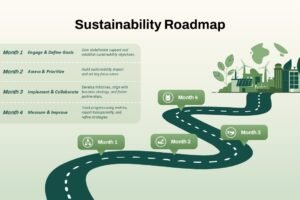
🌍 Roadmap to Achieve Sustainability: Building a Resilient and Responsible Energy Future
🔎 Course Description This intensive course empowers energy professionals to develop and implement actionable sustainability strategies. It covers global sustainability frameworks, decarbonization pathways, circular economy principles, ESG integration, and reporting practices tailored for oil, gas, and energy industries. Participants will …

🔄 Management of Change (MOC) & Pre-Startup Safety Review (PSSR) Training Course
📘 Course Description: This course provides in-depth training on the systematic control of changes to processes, equipment, people, and procedures through Management of Change (MOC) protocols, and how to verify safety before process startup using Pre-Startup Safety Review (PSSR). Participants …