Coring and Conventional Core Analysis
🎯 Course Description: This coring and conventional core analysis training provides participants with a deep understanding of planning, execution, and interpretation of coring in subsurface reservoirs. The course emphasizes best practices in coring operations, core handling, laboratory measurement of petrophysical …
Overview
🎯 Course Description:
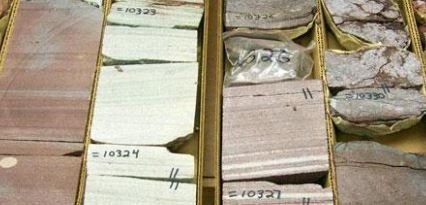
This coring and conventional core analysis training provides participants with a deep understanding of planning, execution, and interpretation of coring in subsurface reservoirs. The course emphasizes best practices in coring operations, core handling, laboratory measurement of petrophysical properties, and integration of core data with well logs and geological models. Participants will gain both theoretical knowledge and practical insights essential for maximizing core data quality in reservoir characterization and development planning.
👥 Who Should Attend:
-
Geologists and sedimentologists
-
Petrophysicists and reservoir engineers
-
Core analysts and laboratory staff
-
Wellsite geologists and drilling engineers
-
Geoscience and asset team members
-
Technical professionals involved in coring decisions and subsurface evaluation
🧾 Training Format:
-
Duration: 5 Days (In-person or Online Live, Instructor-led)
-
Format: Presentations, videos, real core image reviews, group discussions, workflows
-
Tools: Coring reports, sample datasets, lab result sheets
-
Language: English (with optional Arabic, French, or Spanish interpreters if required)
🗓️ 5-Day Detailed Agenda
Day 1: Introduction to Coring Fundamentals
| Time | Topic |
|---|---|
| 09:00 – 09:30 | Welcome and Course Objectives |
| 09:30 – 10:30 | Importance of Coring in Exploration and Development |
| 10:30 – 10:45 | ☕ Coffee Break |
| 10:45 – 12:15 | Core Types: Conventional, Sidewall, Rotary & Percussion |
| 12:15 – 13:15 | 🍽️ Lunch |
| 13:15 – 14:45 | Planning for Coring: Objectives, Intervals, and Tools |
| 14:45 – 15:00 | ☕ Coffee Break |
| 15:00 – 16:30 | Core Recovery Techniques and Equipment |
Day 2: Core Acquisition and Handling at the Wellsite
| Time | Topic |
|---|---|
| 09:00 – 10:30 | Core Recovery Challenges and Risk Mitigation |
| 10:30 – 10:45 | ☕ Coffee Break |
| 10:45 – 12:15 | Wellsite Core Handling, Cutting, and Preservation |
| 12:15 – 13:15 | 🍽️ Lunch |
| 13:15 – 14:45 | Safety, Labelling, and Transport of Cores |
| 14:45 – 15:00 | ☕ Coffee Break |
| 15:00 – 16:30 | Wellsite Core Photography and Initial Description |
Day 3: Conventional Core Analysis – Laboratory Techniques
| Time | Topic |
|---|---|
| 09:00 – 10:30 | Plug Selection, Cleaning and Preparation |
| 10:30 – 10:45 | ☕ Coffee Break |
| 10:45 – 12:15 | Routine Core Analysis: Porosity, Permeability, Grain Density |
| 12:15 – 13:15 | 🍽️ Lunch |
| 13:15 – 14:45 | Core Wettability, Saturation Tests, and Capillary Pressure |
| 14:45 – 15:00 | ☕ Coffee Break |
| 15:00 – 16:30 | Core Quality Assurance: Errors and Standardization |
Day 4: Data Integration and Interpretation
| Time | Topic |
|---|---|
| 09:00 – 10:30 | Core to Log Calibration: Depth Matching and Interpretation |
| 10:30 – 10:45 | ☕ Coffee Break |
| 10:45 – 12:15 | Lithofacies Analysis and Core-Log Integration |
| 12:15 – 13:15 | 🍽️ Lunch |
| 13:15 – 14:45 | Case Studies: Carbonates vs Clastics Core Data |
| 14:45 – 15:00 | ☕ Coffee Break |
| 15:00 – 16:30 | Practical Exercise: Building Core Description Logs |
Day 5: Special Core Analysis & Applications
| Time | Topic |
|---|---|
| 09:00 – 10:30 | Special Core Analysis (SCAL): Introduction & Parameters |
| 10:30 – 10:45 | ☕ Coffee Break |
| 10:45 – 12:15 | Core Applications in Reservoir Models & Simulation |
| 12:15 – 13:15 | 🍽️ Lunch |
| 13:15 – 14:45 | Core Workshop: Review Real Core Data and Results |
| 14:45 – 15:00 | ☕ Coffee Break |
| 15:00 – 16:30 | Final Discussion, Q&A, Certificate Distribution |
Target audiences
- Reservoir Engineers, Geologists
You May Like

📘 Underbalanced Drilling (UBD) Techniques and Safety
🎯 Course Description: This intensive 5-day program focuses on Underbalanced Drilling (UBD) – an advanced technique used to drill wells where the hydrostatic pressure of the fluid is intentionally kept below formation pressure. Participants will learn how to implement UBD …
📘 IOSH Managing Safely
🎯 Course Description: A practical, 5-day program designed to help managers and supervisors learn how to manage safety and environmental responsibilities in their teams. Emphasis is placed on identifying risks, measuring performance, and leading safely using internationally recognized good practices. …
📘 IWCF Level 3 Well Control (Surface BOP)
🎯 Course Description: This is an intensive course aimed at drilling / well service personnel needing to gain supervisory competence in well control using surface blow‑out preventers (BOP) under the IWCF standard. It covers theory, hands‑on practice, and assessments for …
Advanced Specialist Petroleum GeoMechanics
📘 Course Description: This elite-level course is tailored for petroleum geomechanics specialists and senior subsurface professionals engaged in complex field development projects. It provides a deep technical dive into stress modeling, anisotropic rock behavior, coupled geomechanical-reservoir simulation, fault/fracture mechanics, and …
📘 OSHA 30‑Hour General Industry Safety and Health
🎯 Course Description: This 5‑day course provides in‐depth knowledge of workplace safety and health in general industry sectors. It covers OSHA regulations, hazard recognition, safety programs, and industry best practices. Participants will gain the expertise needed to maintain a safe …