📊 Budgeting and Forecasting: Process, Tools, and Techniques
📘 Course Description This course delivers practical and strategic insights into the budgeting and forecasting cycle, empowering professionals to drive performance and value through effective financial planning. Participants will learn how to design, manage, and improve budgeting frameworks and use …
Overview
📘 Course Description
This course delivers practical and strategic insights into the budgeting and forecasting cycle, empowering professionals to drive performance and value through effective financial planning. Participants will learn how to design, manage, and improve budgeting frameworks and use modern forecasting techniques and tools—such as rolling forecasts, scenario planning, and driver-based models—to increase accuracy and flexibility. The course also highlights key challenges, automation trends, and how to align budgeting with strategic business goals.
🎯 Course Objectives
By the end of this course, participants will be able to:
-
Understand different budgeting methods (zero-based, incremental, rolling, etc.)
-
Design an efficient and integrated budgeting process
-
Use forecasting techniques and tools for business planning
-
Align operational, capital, and strategic budgets
-
Build Excel-based forecasting and variance analysis models
-
Apply scenario planning and sensitivity analysis
-
Communicate budget results to stakeholders effectively
👥 Who Should Attend
-
Finance Managers and Analysts
-
Budget Officers and Controllers
-
Project and Cost Accountants
-
Department Heads and Planners
-
Internal Auditors and Risk Officers
-
ERP/FP&A Tool Users
-
Senior Executives involved in planning and control
🧠 Training Methodology
-
Interactive lectures
-
Real-world case studies
-
Hands-on exercises in Excel
-
Group projects & presentations
-
Templates and toolkits
-
Knowledge quizzes and final assessment
🗓️ Detailed Daily Agenda with Time Breaks
📗 Day 1: Fundamentals of Budgeting and Forecasting
| Time | Topic |
|---|---|
| 08:30–09:00 | Registration and Introductions |
| 09:00–10:30 | Purpose and Role of Budgeting in Corporate Strategy |
| 10:30–10:45 | ☕ Coffee Break |
| 10:45–12:15 | Budgeting Types: Incremental, Zero-Based, Rolling, Flexible |
| 12:15–13:15 | 🍽 Lunch |
| 13:15–14:45 | The Budgeting Process Cycle: Key Stages and Stakeholders |
| 14:45–15:00 | ☕ Coffee Break |
| 15:00–16:30 | Introduction to Forecasting: Concepts and Challenges |
📘 Day 2: Budgeting Techniques and Best Practices
| Time | Topic |
|---|---|
| 08:30–10:00 | Operational Budgeting: Production, Sales, Procurement |
| 10:00–10:15 | ☕ Coffee Break |
| 10:15–12:15 | Capital and Cash Flow Budgets |
| 12:15–13:15 | 🍽 Lunch |
| 13:15–14:45 | Best Practices in Budget Consolidation and Versioning |
| 14:45–15:00 | ☕ Coffee Break |
| 15:00–16:30 | Hands-on: Building an Integrated Budget Model in Excel |
📙 Day 3: Forecasting Tools and Applications
| Time | Topic |
|---|---|
| 08:30–10:00 | Forecasting Methods: Historical, Time Series, Regression |
| 10:00–10:15 | ☕ Coffee Break |
| 10:15–12:15 | Rolling Forecasts vs Traditional Forecasts |
| 12:15–13:15 | 🍽 Lunch |
| 13:15–14:45 | Driver-Based Forecasting Models |
| 14:45–15:00 | ☕ Coffee Break |
| 15:00–16:30 | Forecast Accuracy, Bias, and Error Measurement |
📕 Day 4: Planning for Uncertainty and Performance Monitoring
| Time | Topic |
|---|---|
| 08:30–10:00 | Scenario Planning and Sensitivity Analysis |
| 10:00–10:15 | ☕ Coffee Break |
| 10:15–12:15 | Variance Analysis: Identifying and Explaining Deviations |
| 12:15–13:15 | 🍽 Lunch |
| 13:15–14:45 | Linking KPIs to Budgets and Forecasts |
| 14:45–15:00 | ☕ Coffee Break |
| 15:00–16:30 | Group Exercise: Variance Reporting Presentation |
📒 Day 5: Technology, Integration, and Action Planning
| Time | Topic |
|---|---|
| 08:30–10:00 | Budgeting and Forecasting with Modern Tools (ERP, BI, FP&A) |
| 10:00–10:15 | ☕ Coffee Break |
| 10:15–12:15 | Data Visualization and Dashboards in Excel or Power BI |
| 12:15–13:15 | 🍽 Lunch |
| 13:15–14:45 | Aligning Budgets with Strategic Planning and Change Management |
| 14:45–15:00 | ☕ Coffee Break |
| 15:00–16:30 | Course Review, Action Plan & Certificates |
📂 Course Materials Provided
-
Digital and printed training manual
-
Excel budgeting and forecasting models
-
Scenario and variance templates
-
Performance dashboard templates
-
Certificate of Completion
Target audiences
- Reservoir Engineers, Geologists
You May Like

📘 Procurement and Supplier Relationship Management
🎯 Course Description: This course equips procurement professionals with the knowledge and skills to effectively manage supplier relationships and optimize procurement processes. Emphasizing strategic supplier collaboration, performance management, and value creation, the program helps organizations build resilient, mutually beneficial partnerships. …

📘 Managing Efficient Shutdown and Turnaround
🎯 Course Description: This practical 5-day course is designed to equip professionals with the knowledge and skills required to plan, execute, and close out shutdowns and turnarounds (STOs) in industrial plants efficiently. The course covers best practices in scope management, …
📘 Advanced Contract Drafting and Negotiation Skills
🎯 Course Description: This intensive 5-day program provides participants with advanced tools and techniques for drafting, reviewing, and negotiating contracts in complex, high-value projects. The course focuses on precision in drafting, clarity in language, minimizing ambiguities, and negotiation strategies that …
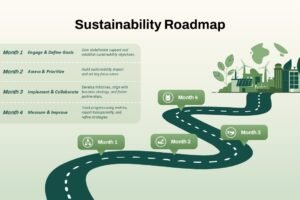
🌍 Roadmap to Achieve Sustainability: Building a Resilient and Responsible Energy Future
🔎 Course Description This intensive course empowers energy professionals to develop and implement actionable sustainability strategies. It covers global sustainability frameworks, decarbonization pathways, circular economy principles, ESG integration, and reporting practices tailored for oil, gas, and energy industries. Participants will …

🔄 Management of Change (MOC) & Pre-Startup Safety Review (PSSR) Training Course
📘 Course Description: This course provides in-depth training on the systematic control of changes to processes, equipment, people, and procedures through Management of Change (MOC) protocols, and how to verify safety before process startup using Pre-Startup Safety Review (PSSR). Participants …


